GDPR Rules for Business Software: Which Tools Can Employees Use?
GDPR sets rules for business software employees use. Here is how to tackle shadow IT, evaluate tools, and build a software register.
GDPR
20 articles
The GDPR applies to every business that handles personal data. If you have customers, employees, or a website, that includes you. Compliance doesn't have to be overwhelming, though. This category collects practical guides, checklists, and explainers that help SMBs tackle GDPR requirements one step at a time.
GDPR sets rules for business software employees use. Here is how to tackle shadow IT, evaluate tools, and build a software register.
A GDPR audit doesn't have to be complicated. Learn what to check, how to approach it, and how to stay compliant as an SMB. With a practical checklist.
What goes in a data processing agreement under GDPR? The 7 mandatory clauses from Article 28, how to request a DPA from suppliers, and what to do when a vendor refuses.
The 7 most common GDPR mistakes small and medium businesses make. With real enforcement examples and practical steps to fix each one.
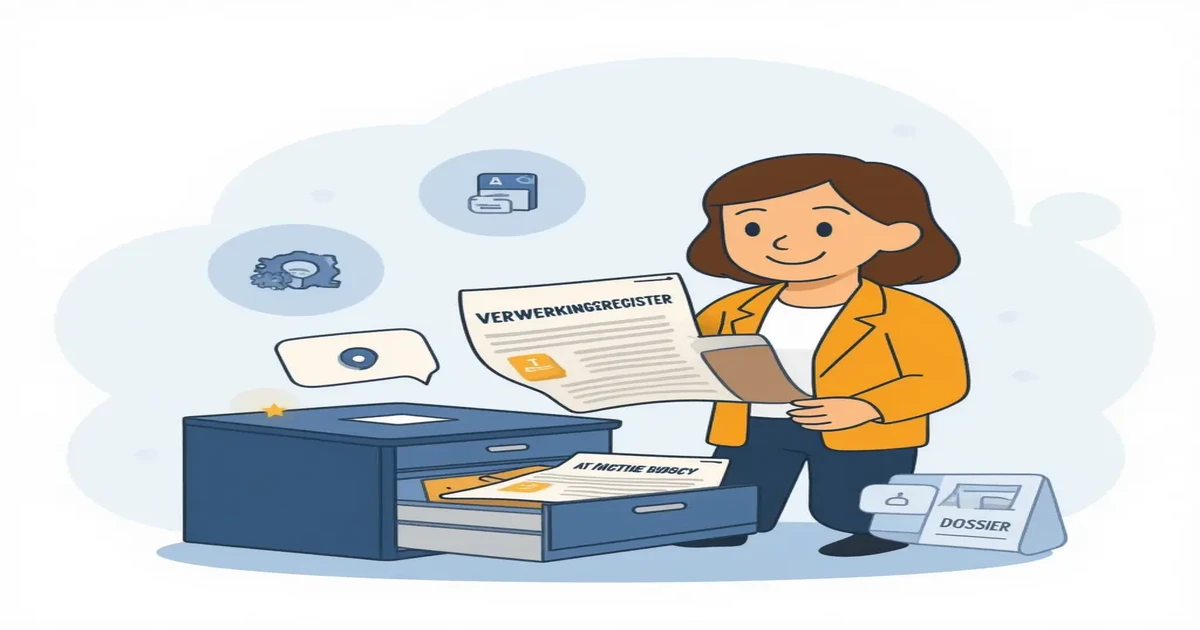
Learn what a GDPR processing register (RoPA) is, what it must contain, and how to build one as an SMB. With practical step-by-step plan and concrete examples.
Article 32 requires 'appropriate measures' — but what does that mean in practice? AES-256, TLS 1.2, full-disk encryption: the exact standards Dutch SMBs must implement.

All GDPR data subject rights explained, with practical guidance on handling access, erasure, and other GDPR requests within your organisation.

72-hour deadline, regulator notification, data subject letters — this step-by-step GDPR response plan for SMBs covers every action, in the right order, so nothing gets missed.
Complete GDPR checklist for Dutch tech SMBs: governance, DPA agreements, data retention, vendor security, and the evidence you need to pass an AP audit in 2026.
AI tools in every team, but no governance in place? This step-by-step framework covers AI inventory, risk tiers, GDPR checks, and a 14-day rollout plan for EU SMEs.
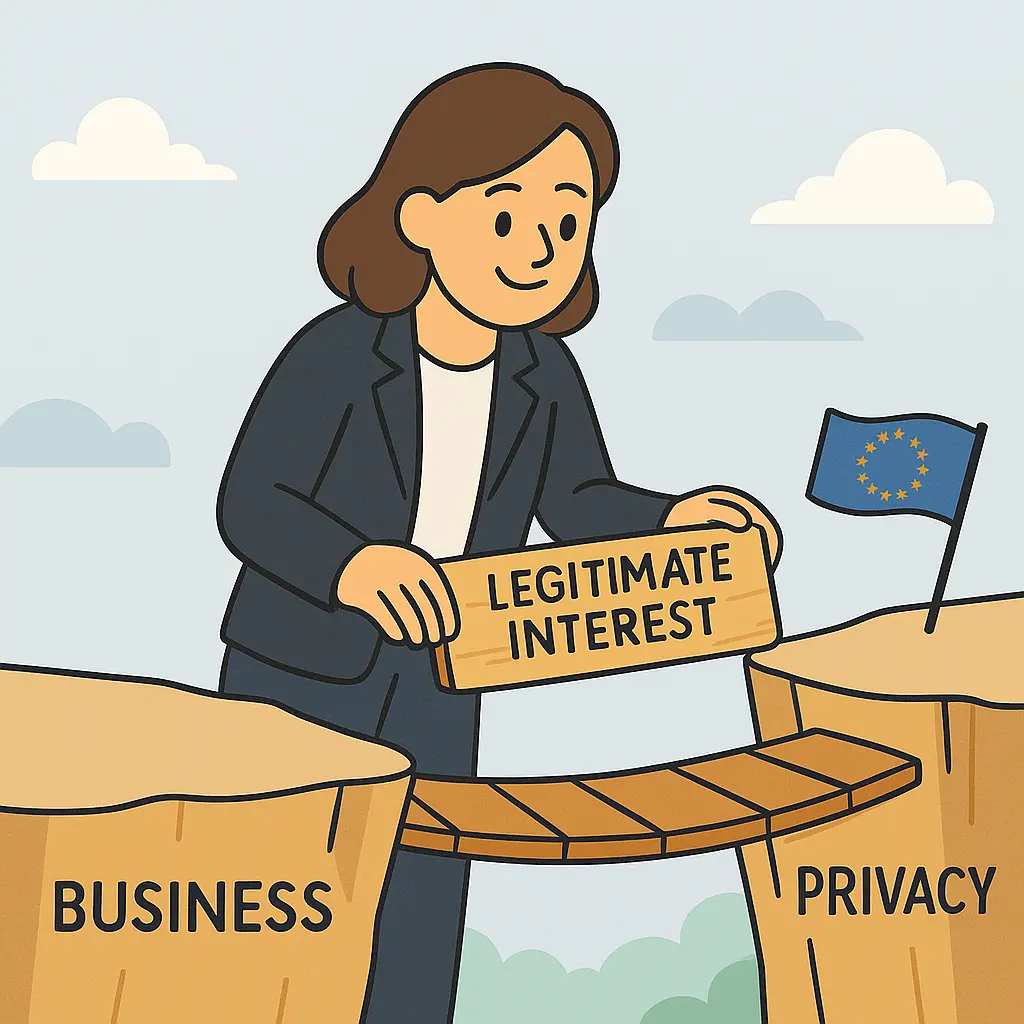
Learn what legitimate interest means under GDPR, when you can use it as a legal basis, and why a balancing test is essential.
GDPR and ePrivacy apply based on who you serve, not where you are. Learn why respecting EU privacy laws matters even if your company is outside Europe.
B2B cold outreach is still legal under GDPR — if you follow the rules. Here is what ePrivacy actually allows, where the line is, and how to stay on the right side of it.
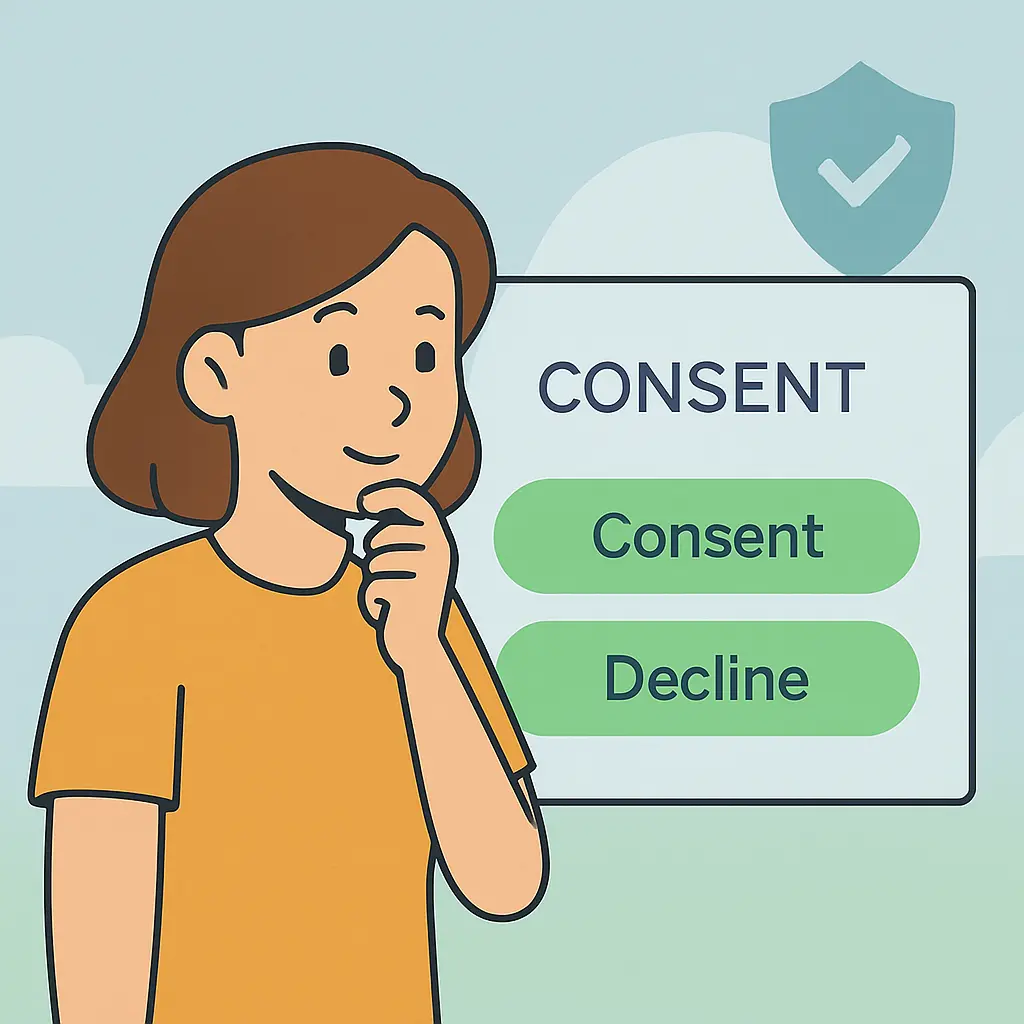
Learn when user consent is mandatory under GDPR. Find out why legitimate interest is not enough for sensitive data, tracking, and behavioral advertising.
Learn how to create a GDPR-compliant data retention policy to protect personal data and ensure legal compliance with our step-by-step guide.
Understand GDPR's impact on public data usage and learn why accessing doesn't equal permission for personal information.
Discover how encryption is vital for GDPR compliance and learn practical steps to protect your data from breaches and fines.
NIS2 is the EU's updated cybersecurity directive, enhancing protections for critical infrastructures and ensuring businesses take cybersecurity seriously.
What is a data controller versus a data processor under GDPR? Practical explanation for Dutch SMBs: who is liable, when you need a DPA, and common mistakes to avoid.
Discover why GDPR compliance is essential for businesses and how ComplianceHive simplifies the process, ensuring data protection and efficiency.
Yes. The GDPR applies to any organisation that processes personal data, regardless of size. If you store customer emails, employee records, or website analytics data, you need to comply. There is no small-business exemption.
Common ones: missing or incomplete records of processing activities, outdated privacy policies, and no data processing agreements with vendors. Many small businesses also lack clear retention periods for the data they collect.
Map what personal data you collect, where it is stored, and who can access it. Write that down in a record of processing activities. That inventory becomes the foundation for everything else, from privacy policies to vendor assessments.
From theory to practice — manage your compliance in one platform.