GDPR Compliance Is More Than Running a Technical Scan
GDPR, Compliance, SMB
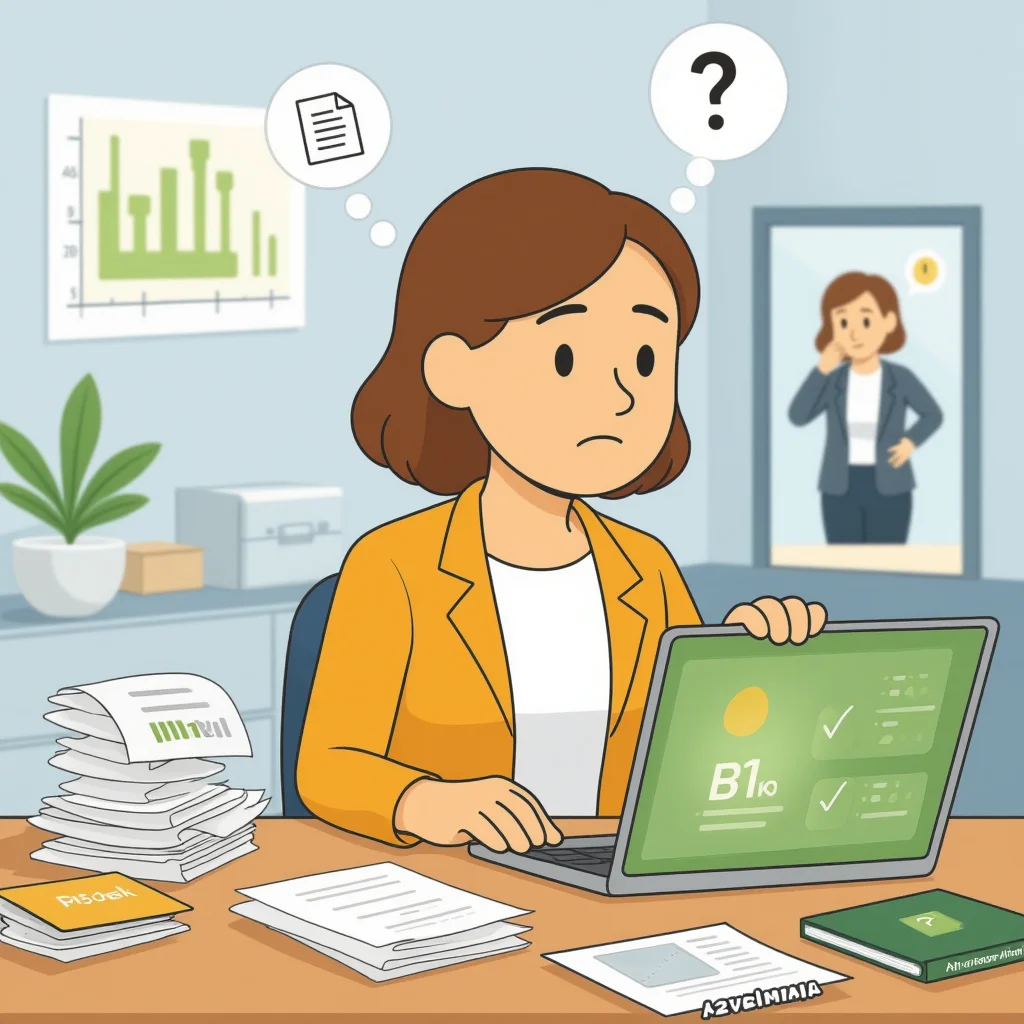
You have heard about tools that automatically scan your cloud environment for compliance issues. They check whether your AWS buckets are correctly configured, whether access controls are in place and whether your logs are running. They produce dashboards. Green checkmarks. A score.
And then? Are you GDPR-compliant?
That is not how it works. A technical scan is a useful part of a broader approach. But if you stop there, you create a sense of security that does not match reality. This article explains why, and what GDPR compliance actually requires for a Dutch SMB.
What automated compliance scanning tools actually do
Tools like Vanta, Drata or Secureframe were built to solve a specific problem: large companies with extensive cloud infrastructure that need to prove their technical settings match a framework like SOC 2, ISO 27001 or CIS Benchmarks.
That problem is real. When you have hundreds of AWS services, dozens of SaaS tools and multiple cloud accounts, manual checking is not feasible. Automation helps.
What these tools specifically check:
- Are your cloud storage buckets encrypted and not publicly accessible?
- Are multi-factor authentication and access rights correctly configured?
- Are your systems running up-to-date software versions?
- Are your log files active and being retained?
Those are technical measures. All relevant. But they are a fraction of what GDPR asks of you.
What GDPR actually requires
GDPR is not a technical standard. It is a privacy law that revolves around the rights of individuals and the accountability of organisations. The technical measures appear in Article 32, and they are one part of a much broader set of obligations.
Here are the elements that technical scanning tools do not touch:
Processing register (Article 30 GDPR)
You are required to document which personal data you process, for what purpose, on what legal basis and for how long you retain it. This register must be kept up to date. If the supervisory authority ever comes to you, this is the first document they will ask for. A technical scan does not produce a processing register. Read more about setting up a processing register.
Data processor agreements (Article 28 GDPR)
For every vendor that processes personal data on your behalf, you need a data processor agreement (DPA). Your CRM, your accounting software, your email tool, your cloud storage service. All of them. A scanned cloud environment says nothing about the contractual coverage of your vendor management. More on this in the vendor management and GDPR guide.
Data breach procedure (Articles 33 and 34 GDPR)
When a data breach occurs, you have 72 hours to report it to your supervisory authority, if there is a risk to data subjects. Do your employees know what a data breach is? Who the first point of contact is? How to assess severity? A technical scan screens your settings, but it does not train your staff or write your procedures. See the data breach response guide.
Data Protection Impact Assessment (Article 35 GDPR)
For processing activities that pose a high risk to data subjects, a DPIA is required. This includes profiling, large-scale processing of special category data, or systematic monitoring. A DPIA is a documented analysis that you carry out or commission. Read when a DPIA is required under GDPR.
Staff awareness
The supervisory authority expects staff to know how to handle personal data. What to do with a suspicious email. How to report a breach internally. Where the line is when sharing customer data. This does not appear in a cloud settings dashboard.
The CLOUD Act: a point that deserves more attention
There is another consideration that is relevant when choosing a compliance tool: where is the tool registered?
Tools like Vanta are Delaware corporations, registered in the US. That makes them subject to the US CLOUD Act. This law requires American companies to provide data to US authorities on request, even if that data is stored on European servers.
What does that mean in practice? If you store your compliance documentation, processing register, contracts and audit reports in such a tool, US authorities could in theory request access to those records. For a tool you use to demonstrate GDPR compliance, that is an interesting paradox.
This is not a reason to panic. But it is a consideration that SMB owners should factor in consciously when choosing a compliance platform.
Who are automated scanning tools actually built for?
Honestly: large companies.
Vanta's case studies feature Series B startups running full AWS stacks, companies that need to prove SOC 2 Type II to Fortune 500 customers, and SaaS businesses that lose sales deals without an ISO 27001 certificate.
That is a different world from a Dutch SMB with fifteen employees, a handful of SaaS subscriptions and a primary accountability obligation to the Dutch Data Protection Authority.
The tools are priced and configured accordingly. Integration guides are in English. Frameworks focus on SOC 2 and ISO 27001. GDPR-specific functionality, Dutch AP guidelines and practical guidance for SMBs are often secondary or absent.
What a Dutch SMB actually needs
GDPR compliance for an SMB is not a technical project. It is a combination of documentation, processes and people.
The foundation you need in place:
- An up-to-date processing register covering all processing activities, legal bases and retention periods
- Data processor agreements with all relevant vendors, including an annual review
- A data breach procedure that employees know and can follow
- DPIAs for high-risk processing activities, documented and substantiated
- Demonstrable staff awareness, even if that means an annual team discussion
Technical measures like encryption, access controls and strong passwords belong in the picture too. But they are an addition to this foundation, not the foundation itself.
A tool that helps you with this needs to understand that. It should guide you through your processing register, help you set up data processor agreements, document your breach procedure and offer GDPR knowledge in your language, aligned with the guidelines of your local supervisory authority.
If you want to see what that kind of approach looks like in practice, you can read more about what a complete GDPR compliance tool should do for your organisation. And specifically for your processing register, there is an overview of GDPR processing register software suited to a Dutch SMB context.